In this article
- What 7,041 Leads Across 50 Dealerships Actually Showed
- Which Third-Party Channels Are Driving Inbound Volume?
- When Do Those Leads Actually Arrive?
- How Much Gross Profit Is Walking Away Every Month?
- Why Is Staffing the Traditional Fix a Losing Bet?
- What Should Dealers Actually Do With This Data?
- The Bottom Line
- Frequently Asked Questions
- Related Reading
Key Takeaways
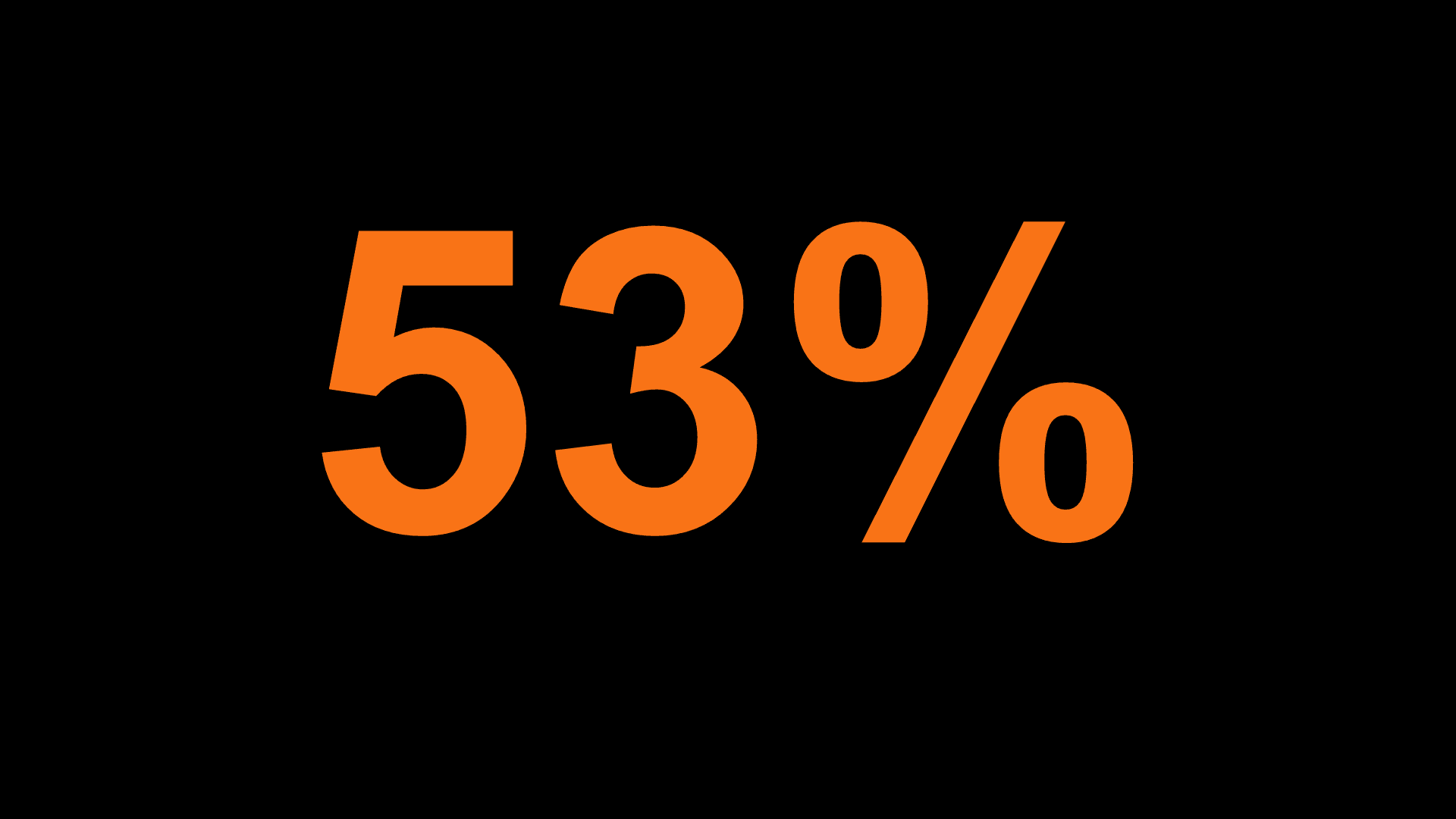
- Across 7,041 leads at 50 dealerships, 53% arrived outside weekday 9am-6pm when showrooms and BDCs were closed.
- Five third-party providers (CarGurus, AutoTrader, CARFAX, Cars.com, Edmunds) drove 49% of all inbound lead volume in the study.
- After-hours traffic averages 75 new leads per dealership per month, totaling 3,743 unanswered leads across the 50-store sample.
- Operationally, weekday evenings need same-session responses while weekend leads tolerate Monday callbacks, requiring two distinct playbooks.
- Strategically, after-hours demand now exceeds any single marketing line item, meaning treating it as overflow misaligns the entire org chart.
- Dealers who automate response coverage in 2026 will capture the $400,000-plus annualized gross profit currently walking away per rooftop.
What 7,041 Leads Across 50 Dealerships Actually Showed
In 2026, dealer leads are landing in inboxes and chat widgets around the clock. Most showrooms are still staffed for a workday that ended a decade ago. We pulled 30 days of platform data across 50 dealerships and counted 7,041 customer-initiated leads. Every one was a Speed-to-Lead form fill or a live chat inquiry. These are not tire kickers browsing in private mode. These are shoppers who typed their name, phone number, and intent into a dealer's own website (according to VisQuanta platform data).
Here's the disconnect. Per our 30-day platform sample, 53% of those 7,041 leads arrived outside weekday 9am to 6pm local time. More than half of every dealer's inbound demand showed up when the lights were off and the BDC was home. Having sold cars on the floor myself, the pattern we see across our rooftops is uncomfortable but clean: dealers are paying full retail for lead volume they are not staffed to answer.
Study Baseline: 30-Day Platform Sample
| Data Point | Figure |
|---|---|
| Dealerships analyzed | 50 |
| Sample duration | 30 days |
| Total customer-initiated leads | 7,041 |
| Share arriving outside 9am-6pm | 53% |
| Industry-average response time | 1 hour 38 minutes |
| Buyers who choose the first responder | 78% |
Which Third-Party Channels Are Driving Inbound Volume?
The Five Channels Every Dealer Already Pays For
None of the top sources will surprise a GM who signs the monthly invoices. CarGurus sat at the top of our sample, producing more than one in five leads by itself. AutoTrader, CARFAX, and Cars.com clustered in the high single digits to low double digits. Edmunds trailed at a few percent. The takeaway is not which logo won the month. It is that the mix barely shifts store to store. Every rooftop we looked at was funding roughly the same five line items. The lead-gen side of the P&L is already a solved problem.
Stack those five channels together and the concentration is striking. The five third-party providers drove 49% of all inbound volume in our 30-day study. Roughly half of every store's demand is arriving through vendors the GM already approved, budgeted, and signed for. The acquisition cost is sunk. The funnel is working. The only open question is what happens to the lead after it hits the CRM.
Top Third-Party Lead Channels Across 50 Dealerships
| Channel | Share of Inbound Volume |
|---|---|
| CarGurus | More than 20% (1 in 5 leads) |
| AutoTrader | High single to low double digits |
| CARFAX | High single to low double digits |
| Cars.com | High single to low double digits |
| Edmunds | A few percent |
| Top 5 combined | 49% of all inbound volume |
When Do Those Leads Actually Arrive?
Weekday Evenings Versus Weekends
After-hours is not one shape of demand. It is two, and they need different playbooks. In our sample, Tuesday through Thursday nights produced noticeably more volume than Saturday and Sunday combined. That matters because weekday-evening shoppers behave like daytime shoppers who got home late. They are deeper in the funnel, comparing specific VINs, and expecting a same-session reply. Weekend shoppers skew earlier-funnel and more tolerant of a Monday callback. Staffing one bucket to cover both is how dealers end up with mediocre response times in the window that actually converts.
Put that share in context against any other channel a dealer funds. Nothing else on the marketing spreadsheet accounts for a majority of inbound demand on its own - not a single third-party provider, not paid search, not direct traffic. After-hours does. When a line item larger than your biggest vendor is treated as overflow, the org chart is wrong, not the data. The fix is not another night-shift experiment. It is recognizing that the dominant demand window deserves the same operational rigor as the 9-to-6 floor.
Translate the volume into a per-store monthly number and the problem gets tangible. Our study found after-hours traffic averages 75 new leads per dealership per month. That is not 75 visits. That is 75 shoppers who submitted contact info and expected a response. For the 50-store sample, the monthly total is 3,743 after-hours leads sitting unanswered or getting a 9am reply to an 8pm question.
How Much Gross Profit Is Walking Away Every Month?
Turning 75 Leads Into Dollars
The gross profit math is where this gets painful. Our 30-day dataset shows 75 after-hours leads per store per month as the average. The question is how many convert if they never get a timely response. Most of them do not. The ones that do convert are shoppers patient enough to still be in-market the next morning.
Across the rooftops we work with, the dollars compound fast once you apply standard close rates. A 10 to 15% close rate is the range most GMs will recognize from their own reporting. Run it against the monthly after-hours volume and the missed-deal count lands in the high single digits to low double digits per store. At industry-average front-plus-back gross, that is roughly $28,000 to $40,000 in monthly gross per rooftop. Annualize the midpoint and you are past $400,000 - larger than most stores' entire annual digital marketing budget. The uncomfortable part: this money is already spent on the acquisition side. The loss sits entirely in response operations.
- 75 after-hours leads per store, per month
- 10 to 15% standard close rate
- 8 to 11 missed deals per store, per month
- $28,000 to $40,000 in missed monthly gross profit
- Roughly $400,000-plus in annualized exposure per rooftop
After-Hours Lead Volume and Profit Exposure Per Rooftop
| Metric | Value |
|---|---|
| After-hours leads per store, per month | 75 |
| Standard close rate range | 10% to 15% |
| Missed deals per store, per month | 8 to 11 |
| Missed monthly gross profit | $28,000 to $40,000 |
| Annualized exposure per rooftop | $400,000-plus |
| Total after-hours leads across 50-store sample | 3,743 |
78% of car buyers choose the first dealer to respond - and the industry average response time is 1 hour 38 minutes. See how Speed to Lead replies in under 60 seconds: automated SMS response that captures inbound leads 24/7 before your competitors can pick up the phone.
Why Is Staffing the Traditional Fix a Losing Bet?
The Staffing Math Does Not Pencil
The instinct is to hire a night BDC rep. Run the numbers against the actual demand curve first. Our 30-day platform data shows 53% of leads arriving outside 9am to 6pm. That is not a trickle one agent can cover. It is more than half of the funnel spread across every evening and both weekend days, and the volume is not evenly distributed inside that window.
Now layer in the cost side. Per our analysis, the exposure is $28,000 to $40,000 in monthly gross per store. A staffed evening and weekend BDC with proper coverage, benefits, training, and turnover typically runs $15,000 to $25,000 per month per rooftop. The math can work on paper. In practice, response time drops when a single agent juggles 75 leads across unpredictable windows, and the close rate slips with it. Talk to any GM running a BDC the way we do and they'll tell you the same thing: headcount alone rarely recovers the full gross.
What Should Dealers Actually Do With This Data?
A Four-Step After-Hours Audit
Before picking a fix, measure the exposure honestly. Our 30-day sample of 7,041 leads across 50 dealerships gives you the benchmarks. Pull your own CRM data and compare. The point is not to match our averages. The point is to know whether your store is above or below the line before anyone proposes a solution.
- Export 30 days of inbound leads from your CRM, filtered to form fills and chat inquiries only
- Tag each lead with the local timestamp it arrived
- Flag every lead outside weekday 9am to 6pm as after-hours
- Calculate the after-hours percentage and compare it against our 53% benchmark
Once you have the percentage, convert it to a per-month lead count. Our platform data pegs the after-hours average at 75 new leads per dealership per month. If your store lands meaningfully above that figure, your exposure is higher than the sample. If you land below it, your daytime team is probably capturing demand that neighbors are missing. Either way, the number tells you how large the fix needs to be.
Talk to any GM running a BDC the way we do and they'll tell you the same thing: attach a dollar figure to the gap using your own numbers, not ours. Take your after-hours lead count, multiply by your trailing-twelve-month close rate, then multiply by your actual PVR - not the 20-group average, the one your controller reports. The output is a single figure. That is the monthly gross your third-party providers are delivering to the CRM while your response model fails to convert it. Two things happen when a GM sees that number in their own handwriting. First, the staffing-versus-automation debate stops being theoretical. Second, you get a hard ceiling on what any vendor pitching an after-hours solution is allowed to cost.
The Bottom Line
The acquisition side of the dealer funnel is solved - vendors are delivering volume around the clock. The loss sits entirely in response operations, where majority-share after-hours demand is still treated as overflow rather than a primary staffing category.
What this means for dealerships in 2026:
- Over half of inbound demand now arrives when traditional BDCs are offline, making 24/7 coverage a baseline expectation.
- Hiring a night shift rarely pencils against a demand curve this distributed - automation is the only cost-viable answer.
- Each rooftop is sitting on roughly $400,000 in annualized exposure that is already funded on the acquisition side.
- Weekday-evening shoppers convert like daytime shoppers; delay a response and a competitor picks them up by morning.
- Expect 2026 leaders to close the after-hours response gap first and compound the advantage quarter over quarter.
The operators who treat after-hours as primary demand - not overflow - will own the follow-up window competitors keep ignoring.
Frequently Asked Questions
What percentage of dealer leads actually arrive after hours?
Based on a 30-day study of 7,041 leads across 50 dealerships, 53% arrived outside weekday 9am-6pm local time. That is more than half of all inbound demand landing when most showrooms and BDCs are closed.
How much gross profit does the average dealership lose to unanswered after-hours leads?
At 75 after-hours leads per store per month and a 10-15% close rate, dealers can forfeit up to $28,000 to $40,000 in monthly gross profit. Annualized, that exposure exceeds $400,000 per rooftop, larger than most stores' entire digital marketing budget.
Why does hiring a night BDC shift not solve the problem?
The demand curve is distributed across weekday evenings and weekends in two different shapes, each requiring distinct playbooks. A single night shift cannot cost-effectively cover both weekday-evening conversion windows and weekend early-funnel inquiries at the staffing levels required.
Which lead sources drive the most inbound volume for dealerships?
CarGurus led the study at more than 20% of leads, followed by AutoTrader, CARFAX, Cars.com, and Edmunds. Combined, these five third-party providers accounted for 49% of all inbound volume, and the mix barely shifts between rooftops.
How fast do dealers need to respond to capture after-hours leads?
78% of car buyers choose the first dealer to respond, and weekday-evening shoppers expect a same-session reply. With industry-average response time sitting at 1 hour 38 minutes, sub-60-second automated SMS response is the practical benchmark for 2026.
What is the fastest way to implement 24/7 lead coverage in 2026?
Automated response systems that trigger under 60 seconds deploy in days, not quarters, and handle the full after-hours demand curve without adding headcount. Given the $400,000-plus annualized exposure per rooftop, payback typically lands inside the first month of operation.
Related Reading
Filed underDealership OperationsService DriveAutomation

Written by the VisQuanta team
The people who build and run the Agentic Ecosystem for automotive businesses: lead response, reactivation, calls, reviews and chat, checked by a human on every account.